
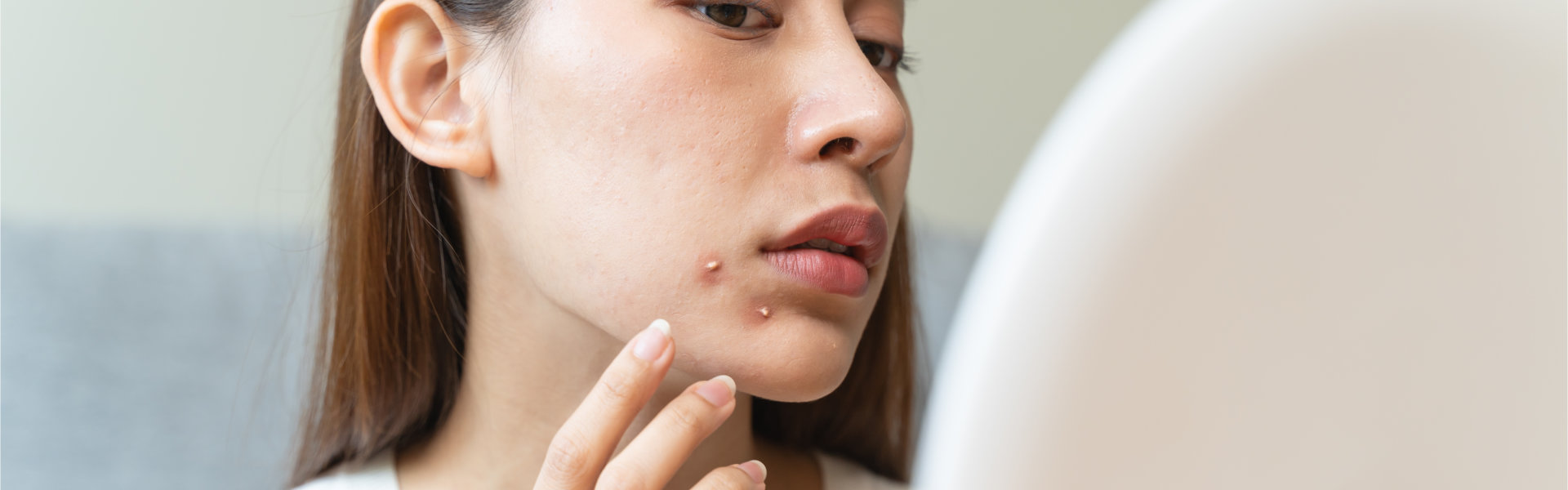
What Is Acne?
Acne is a common skin condition that occurs when hair follicles become clogged with oil, dead skin cells, and bacteria. It often manifests as pimples, blackheads, whiteheads, or cysts, and can appear on the face, chest, back, and shoulders. While commonly associated with adolescence, acne can affect individuals of all ages.
Types of Acne
- Whiteheads: Small, flesh-colored or white bumps that form when a clogged pore is closed and trapped beneath the skin.
- Blackheads: Dark spots that occur when a clogged pore remains open, allowing the trapped oil and skin cells to oxidize and turn black.
- Papules: Small, red, tender bumps that indicate inflammation or infection in the hair follicles.
- Papules: Small, red, tender bumps that indicate inflammation or infection in the hair follicles.
- Pustules: Pimples containing pus, often with a red base and a white or yellow top.
- Nodules: Large, painful lumps beneath the surface of the skin, caused by severe inflammation and infection.
- Cysts: Deep, painful, pus-filled lumps under the skin that can cause scarring.
Causes and Risk Factors
- Excess oil production: Overactive sebaceous glands produce too much oil, which can clog pores.
- Dead skin cells: Accumulation of dead skin cells can mix with oil and block hair follicles.
- Bacteria: Propionibacterium acnes (P. acnes) bacteria can thrive in clogged pores, leading to inflammation.
- Hormonal changes: Fluctuations in hormones, particularly during puberty, menstruation, pregnancy, or stress, can trigger or worsen acne.
- Diet: High-glycemic foods, dairy products, and diets rich in sugars and refined carbohydrates may contribute to acne.
- Medications: Certain drugs, such as corticosteroids, androgens, or lithium, can lead to or worsen acne.
- Stress: Stress can exacerbate acne by increasing hormone production and inflammation.
Managing Acne
- Skincare Routine:
- Cleanse regularly: Use a gentle, non-comedogenic cleanser to remove excess oil, dirt, and makeup.
- Moisturize: Even oily skin needs moisture. Choose an oil-free, non-comedogenic moisturizer.
- Exfoliate: Regular exfoliation helps remove dead skin cells that can clog pores.
- Sun protection: Use oil-free, non-comedogenic sunscreen to protect your skin from UV damage.
- Over-the-Counter Treatments:
- Benzoyl Peroxide: Reduces bacteria and helps dry excess oil.
- Salicylic Acid: Helps to unclog pores and reduce inflammation.
- Retinoids: Promote cell turnover and prevent clogged pores.
- Prescription Medications:
- Topical antibiotics: Reduce bacteria and inflammation.
- Oral antibiotics: Used for more severe cases of acne.
- Hormonal treatments: Such as birth control pills or anti-androgens for hormone-related acne.
- Isotretinoin: A powerful oral medication for severe, cystic acne that doesn’t respond to other treatments.
- Lifestyle Changes:
- Healthy diet: Focus on a balanced diet rich in fruits, vegetables, and whole grains.
- Stress management: Practice relaxation techniques, mindfulness, or yoga to reduce stress.
- Avoid picking or squeezing pimples: This can lead to scarring and worsen inflammation.
Acne can have a significant impact on mental health, leading to low self-esteem, anxiety, and depression, especially in severe cases. The visible nature of acne can make individuals self-conscious, affecting social interactions and overall well-being.
At New Horizon Behavioral & Wellness Center, we recognize the emotional toll that acne can take. Our holistic approach includes not only addressing the physical aspects of acne but also providing support for the mental and emotional challenges it may bring. Through counseling, stress management, and personalized skincare advice—including treatments such as eyelash growth serum in Largo, Maryland—we aim to help you achieve healthier skin and a more positive self-image.
Frequently Asked Questions
What causes acne to appear on the skin?
What are the best ways to treat acne at home?
How long does it take for acne treatments to work?
When should someone see a professional for acne?
Is acne more common at certain ages?
Your Mental Health Matters — Let’s Talk
Take the first step toward better mental health. Contact us today and let’s start the conversation.