
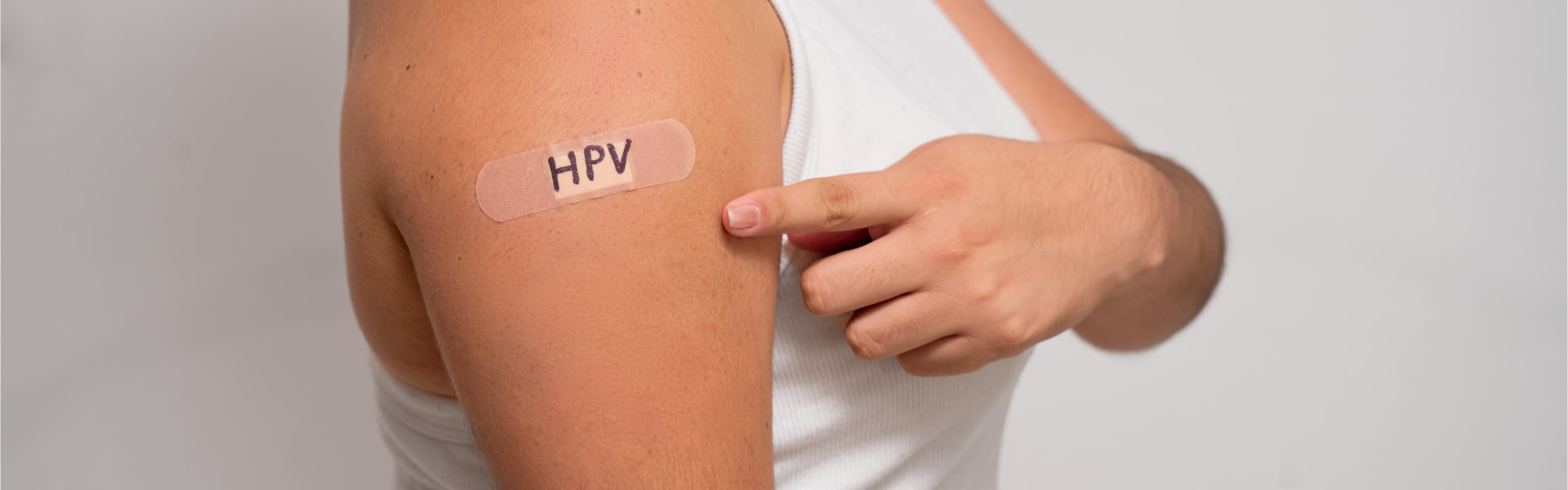
Genital warts are growths that appear on the genital and anal areas caused by certain types of the human papillomavirus (HPV). HPV is a common sexually transmitted infection (STI), with many strains being asymptomatic. While some strains can cause warts, others can lead to more serious conditions, such as cervical cancer.
Causes
Genital warts are primarily caused by HPV types 6 and 11. The virus is transmitted through direct skin-to-skin contact during vaginal, anal, or oral sex. It is possible to contract HPV even when an infected partner does not have visible warts.
Symptoms
- Small, flesh-colored or gray growths in the genital or anal area
- Itching or discomfort in the affected area
- Bleeding during intercourse or in the anal area
- Multiple warts can cluster together, forming a cauliflower-like appearance
Diagnosis
Diagnosis typically involves a physical examination by a healthcare provider. In some cases, a biopsy or special tests may be performed to confirm the presence of HPV and determine the type.
Treatment
Treatment for genital warts aims to remove the warts and manage symptoms. Options include:
- Topical Treatments: Prescription creams or solutions applied directly to the warts.
- Cryotherapy: Freezing the warts with liquid nitrogen.
- Electrocautery: Burning the warts with an electric current.
- Surgical Removal: Cutting the warts off, often used for larger or persistent warts.
For individuals seeking additional reproductive health services or related care, facilities that offer menstrual pain therapy in Largo, Maryland may also provide comprehensive sexual health consultations and treatments.
Prevention
- Vaccination: The HPV vaccine (Gardasil or Cervarix) protects against the most common types of HPV that cause warts and cancer. It is recommended for preteens and young adults.
- Safe Sex Practices: Using condoms and dental dams can reduce the risk of HPV transmission, but they do not eliminate it entirely since HPV can infect areas not covered by condoms.
- Regular Screening: For women, regular Pap smears can help detect early changes in cervical cells caused by HPV.
Living with Genital Warts
Genital warts can be managed effectively, though the virus may remain in the body. It’s important to follow the treatment plan provided by your healthcare provider and attend regular follow-up appointments. Open communication with your partner(s) and practicing safe sex can help prevent the spread of HPV.
Frequently Asked Questions
What causes genital warts?
How do I know if I have genital warts?
Can genital warts go away on their own?
Are genital warts dangerous?
How are genital warts treated?
Your Mental Health Matters — Let’s Talk
Take the first step toward better mental health. Contact us today and let’s start the conversation.