
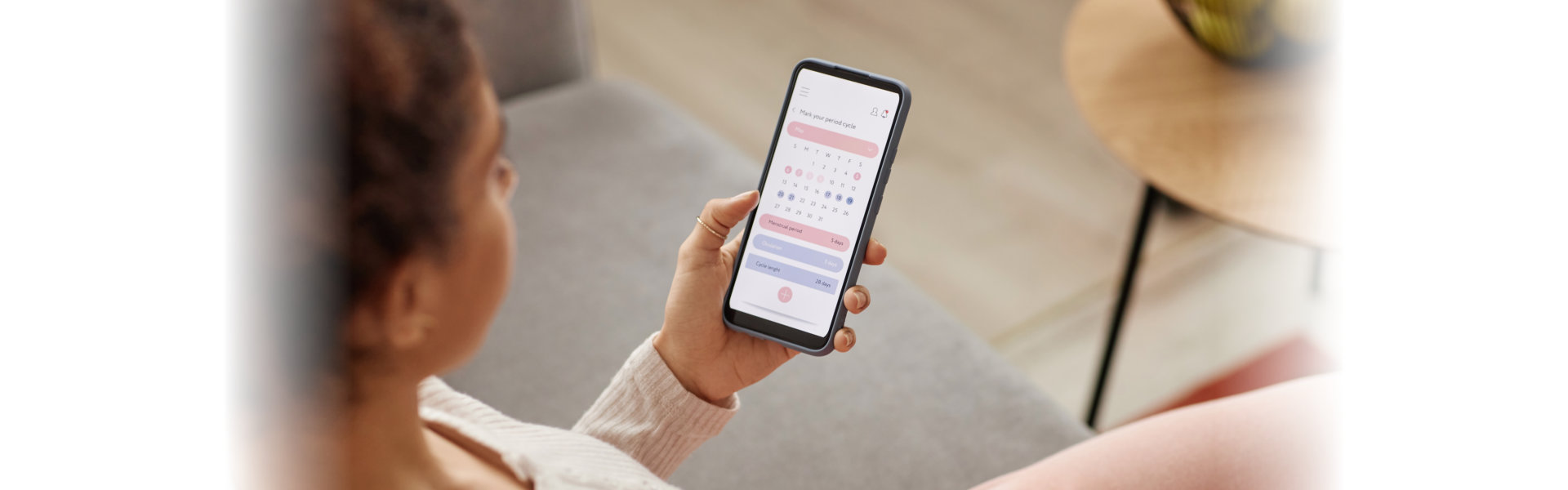
Menstrual cramps, or dysmenorrhea, are a common experience for many people during their menstrual cycle. They are characterized by pain in the lower abdomen that can range from mild to severe. Cramps are caused by the release of prostaglandins, chemicals that cause the uterine muscles to contract.
Symptoms
- Lower Abdominal Pain: Often described as a throbbing or cramping sensation.
- Back Pain: Pain may radiate to the lower back.
- Nausea: Some may experience nausea or digestive upset.
- Headaches: Hormonal changes can lead to headaches or migraines.
- Fatigue: Cramps can contribute to overall feelings of tiredness and fatigue.
Relief Strategies
- Heat Therapy
Applying a heating pad or hot water bottle to the lower abdomen can help relax the uterine muscles and alleviate pain. - Hydration
Staying well-hydrated can reduce bloating and discomfort. Herbal teas, especially those with ginger or chamomile, can be soothing. - Over-The-Counter Pain Relief
Nonsteroidal anti-inflammatory drugs (NSAIDs), such as ibuprofen or naproxen, can reduce pain and inflammation. - Exercise
Light physical activity can improve blood flow and reduce cramping, such as walking or stretching. - Dietary Adjustments
Eating a balanced diet rich in fruits, vegetables, and whole grains can help manage symptoms. Reducing caffeine and salt intake may also be beneficial. - Relaxation Techniques
Stress can exacerbate menstrual cramps. Techniques such as deep breathing exercises, yoga, and meditation can promote relaxation and reduce discomfort. - Supplements
Some people find relief with supplements such as magnesium, calcium, and vitamin B6, which may help reduce cramping and improve overall menstrual health. - Consultation with a Healthcare Provider
If cramps are severe or persist despite self-care measures, it may be beneficial to consult with a healthcare provider. They can evaluate for any underlying conditions and provide additional treatment options.
When to Seek Professional Help
- Severe pain that interferes with daily activities.
- Pain that worsens over time.
- Additional symptoms such as heavy bleeding, unusual discharge, or significant changes in menstrual patterns.
Conclusion
Effective management of period cramps involves a combination of lifestyle adjustments, home remedies, and, if necessary, professional medical advice. At New Horizon Behavioral & Wellness Center, we are dedicated to providing comprehensive care and support to help you manage menstrual discomfort and maintain overall well-being. For those seeking period pain relief in Largo, Maryland, our team offers personalized strategies and treatments to address your needs.
Frequently Asked Questions
What are simple ways to relieve period cramps at home?
Are there safe over-the-counter medicines for cramps?
When should someone see a doctor about cramps?
Do cramps get better with age?
Are there relaxation techniques that help with period pain?
Your Mental Health Matters — Let’s Talk
Take the first step toward better mental health. Contact us today and let’s start the conversation.