
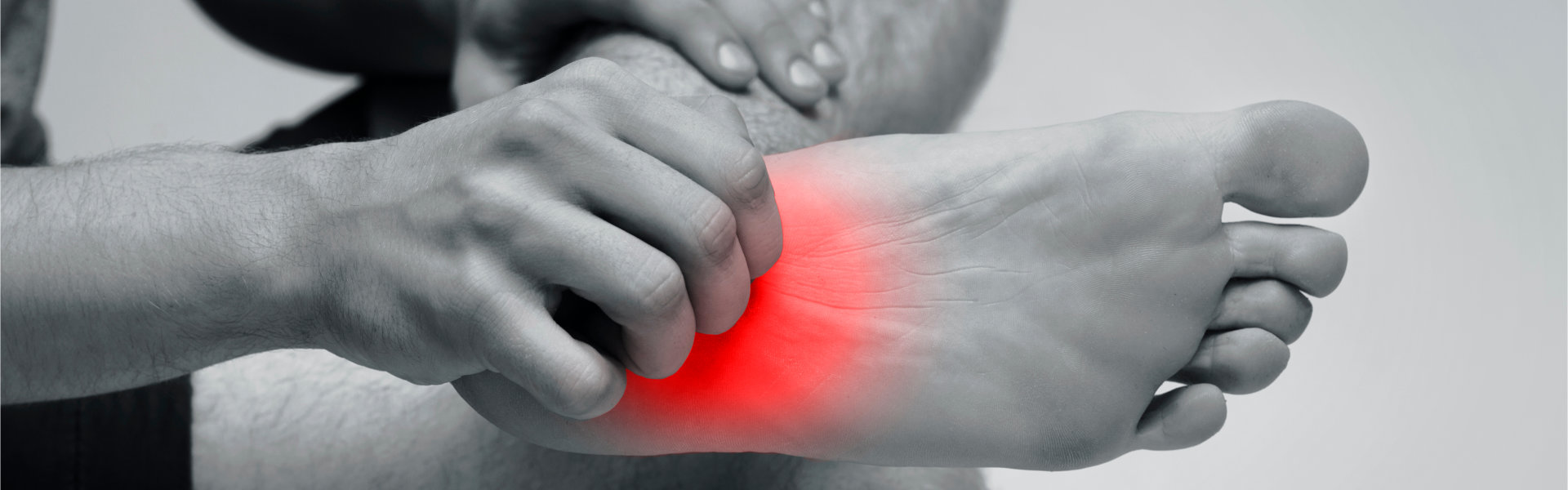
Athlete’s foot, also known as tinea pedis, is a common fungal infection that affects the skin on the feet. It typically begins between the toes and can spread to the soles of the feet and other parts of the body. The infection is caused by a group of fungi called dermatophytes, which thrive in warm, moist environments, making locker rooms, showers, and swimming pools common places for transmission.
Causes and Risk Factors
Athlete’s foot is caused by contact with the fungi that cause the infection, which can be picked up in several ways:
- Walking Barefoot in Public Areas: Locker rooms, public showers, and pool areas are breeding grounds for the fungi that cause athlete’s foot.
- Wearing Tight, Damp Shoes: Shoes that are tight and don’t allow the feet to breathe can trap moisture, creating an ideal environment for fungi to grow.
- Sharing Personal Items: Sharing towels, socks, or shoes with someone who has athlete’s foot can spread the infection.
- Weakened Immune System: Individuals with weakened immune systems are more susceptible to fungal infections like athlete’s foot.
Symptoms of Athlete’s Foot
Athlete’s foot can present with a variety of symptoms, which may include:
- Itching and Burning: Intense itching and a burning sensation, especially between the toes, are common early symptoms.
- Red, Scaly Skin: The affected skin may become red, flaky, and scaly, often with cracks or peeling.
- Blisters: In some cases, small blisters may form, which can lead to pain and discomfort.
- Dryness and Cracking: The skin on the soles of the feet may become dry and crack, particularly in more severe cases.
- Odor: The infection may cause a noticeable, unpleasant odor.
Treatment Options
- Topical Antifungals: Creams, sprays, powders, and ointments containing ingredients like clotrimazole, miconazole, or terbinafine are commonly used to treat athlete’s foot. These are applied directly to the affected area.
- Oral Antifungals: For severe or persistent cases, oral antifungal medications may be prescribed.
- Home Care: Keeping the feet clean and dry, changing socks regularly, and allowing shoes to air out can help treat and prevent athlete’s foot.
Prevention Strategies
Preventing athlete’s foot involves maintaining good foot hygiene and being mindful of your environment:
- Keep Feet Dry: Dry your feet thoroughly after bathing, especially between the toes, and change socks if they become damp.
- Wear Breathable Footwear: Choose shoes made of breathable materials and avoid tight-fitting shoes that trap moisture.
- Use Antifungal Powder: Applying antifungal powder to your feet and inside your shoes can help prevent infection.
- Avoid Walking Barefoot in Public Areas: Always wear flip-flops or sandals in public showers, locker rooms, and pool areas.
- Don’t Share Personal Items: Avoid sharing towels, socks, or shoes with others to reduce the risk of spreading or contracting the infection.
Care and Support at New Horizon Behavioral & Wellness Center
At New Horizon Behavioral & Wellness Center, we offer comprehensive care for those dealing with athlete’s foot. Our healthcare professionals can provide expert athlete’s foot treatment in Largo, Maryland, offering guidance on how to prevent future infections. Whether you’re experiencing a mild case or a more severe infection, we are here to help you get back on your feet with confidence and comfort.
Frequently Asked Questions
How do people usually get Athlete’s Foot?
Is Athlete’s Foot contagious?
What treatments help Athlete’s Foot?
How long does Athlete’s Foot last?
When should someone see a doctor about Athlete’s Foot?
Your Mental Health Matters — Let’s Talk
Take the first step toward better mental health. Contact us today and let’s start the conversation.